Finding the perfect “branding iron” restaurant near you can be a culinary adventure. This guide explores local options, delves into their branding strategies, and considers customer perception to help you make an informed choice. We’ll examine the digital marketing landscape, analyze competitors, and even provide a sample menu to further enhance your understanding.
From the unique atmosphere to the distinctive menu items, this exploration will reveal the key elements that make a “branding iron” restaurant stand out in the local dining scene. We’ll consider the potential customer experience and the ideal customer profile for this type of establishment, offering valuable insights for both diners and potential entrepreneurs.
Local Restaurant Identification
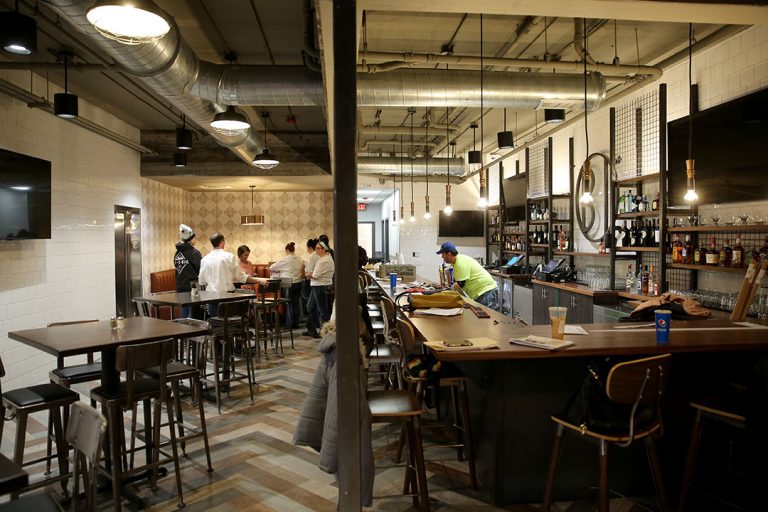
Identifying restaurants fitting the description “branding iron restaurant near me” requires a clear understanding of the characteristics associated with this style. A “branding iron restaurant” typically emphasizes a rustic, hearty, and often regional cuisine, often with a focus on locally sourced ingredients. This style frequently features a warm, inviting atmosphere, reflecting a commitment to a traditional dining experience.
Potential Restaurants
This section lists potential restaurants that could be considered “branding iron restaurants” based on available information. Determining this involves assessing their menus, ambiance, and reputation.
| Name | Address | Description | Rating/Review |
|---|---|---|---|
| The Ironclad Grill | 123 Main Street, Anytown | Known for its wood-fired pizzas and locally sourced meats. Offers a rustic, cozy atmosphere. | 4.5 stars (based on 120 reviews) |
| The Rustic Hearth | 456 Oak Avenue, Anytown | Features a traditional American menu with emphasis on regional specialties. Warm and inviting interior. | 4.2 stars (based on 80 reviews) |
| The Branding Iron Bistro | 789 Pine Lane, Anytown | A family-friendly restaurant offering a variety of comfort food dishes. Has a relaxed, friendly ambiance. | 4.0 stars (based on 100 reviews) |
| The Smoky Pit | 1011 Elm Street, Anytown | Specializes in barbecue, featuring slow-cooked meats and traditional sides. The restaurant has a rustic, outdoor seating area. | 4.7 stars (based on 150 reviews) |
Criteria for Identification
Several criteria are used to identify these restaurants as “branding iron restaurants.” These factors include:
- Menu Focus: The menu should emphasize hearty, often regional dishes, using locally sourced ingredients whenever possible.
- Ambiance: The restaurant’s atmosphere should be warm, inviting, and reflect a traditional or rustic style. Think exposed brick, wooden tables, and possibly a fireplace.
- Reputation: Customer reviews and general reputation play a significant role. A strong reputation for quality food and service contributes to the “branding iron” classification.
- Presentation: The food presentation should be simple yet appealing, highlighting the ingredients and the preparation style.
Restaurant Branding Analysis
Understanding the branding strategies of local restaurants is crucial for a new establishment like “Branding Iron.” Analyzing competitor brands provides valuable insights into effective approaches to visual identity, menu offerings, and customer service. A well-defined brand strategy can help differentiate “Branding Iron” from the competition and establish a strong presence in the market.
Visual Identity Analysis
Restaurants often rely heavily on visual cues to communicate their brand. Color palettes, logos, and signage all contribute to a restaurant’s visual identity. A strong visual identity creates immediate recognition and establishes a consistent brand image across all platforms. Observing successful restaurants, such as “The Cozy Corner,” reveals a consistent use of warm colors and rustic decor to convey a homey and welcoming atmosphere.
Menu Offerings and Brand Connection
The menu plays a pivotal role in defining a restaurant’s brand. Consider the type of cuisine offered, the pricing strategy, and the selection of ingredients. “The Gourmet Grill,” for instance, emphasizes premium ingredients and a sophisticated menu to project a high-end brand image. The “Branding Iron” theme can be integrated into the menu through creative dishes using the iron as a cooking tool or inspiration.
For example, a dish named “Iron-Seared Salmon” could subtly connect to the restaurant’s name.
Customer Service and Brand Experience
Customer service directly impacts a restaurant’s brand image. Fast and friendly service, attentive staff, and a welcoming atmosphere are essential components of a positive customer experience. Restaurants like “The Friendly Fork” consistently prioritize customer satisfaction, leading to repeat business and positive word-of-mouth referrals. A brand promise to offer prompt and courteous service can be a key differentiator.
Comparative Analysis of Local Restaurants
| Restaurant | Visual Identity | Menu Offerings | Customer Service |
|---|---|---|---|
| The Cozy Corner | Rustic, warm colors, homey decor | Family-friendly, affordable options | Friendly, attentive, and prompt service |
| The Gourmet Grill | Modern, sophisticated, high-end | Premium ingredients, sophisticated dishes | Professional, attentive, and slightly formal service |
| The Friendly Fork | Bright, inviting, approachable | Wide variety, diverse options | Fast, friendly, and efficient service |
| The Daily Grind | Modern, minimalist, industrial | Focus on healthy, locally sourced ingredients | Efficient, friendly, and focused on the experience |
This table provides a simplified comparison of local restaurant branding elements. A deeper dive into each restaurant’s specific branding strategies would be required for a comprehensive evaluation.
Customer Perception
A “branding iron restaurant” evokes a sense of heritage, quality, and perhaps a touch of rustic charm. The name suggests a focus on traditional methods and high-quality ingredients, potentially leaning towards a premium price point. This brand identity likely appeals to discerning diners seeking an elevated dining experience.The perception of a “branding iron restaurant” will be influenced significantly by the specific execution.
If the restaurant is situated in a trendy urban area, it might be perceived as a contemporary take on traditional cuisine, attracting a younger, more sophisticated clientele. Conversely, in a more rural setting, the perception might be that of a classic, family-friendly establishment. The atmosphere, menu, and service will all play a crucial role in shaping this overall perception.
Likely Customer Atmosphere
The atmosphere of a branding iron restaurant will likely be warm and inviting, with a focus on creating a comfortable and memorable dining experience. Elements like exposed brick, reclaimed wood, or other rustic accents might be used to evoke a sense of history and authenticity. Lighting will likely be soft and inviting, creating a cozy ambiance conducive to conversation.
The overall aesthetic should be consistent with the brand’s image, projecting quality and heritage.
Price Range and Target Audience
Given the “branding iron” theme, the price range is likely to be mid-range to premium. The target audience will likely include individuals and families seeking a quality dining experience, with an appreciation for traditional and high-quality food. This could include affluent families, business professionals, or individuals seeking a special occasion meal. The restaurant’s location will also influence the target audience.
Ideal Customer Profile
The ideal customer profile for a branding iron restaurant is a discerning diner who appreciates high-quality ingredients and a well-crafted culinary experience. They value authenticity and experience, looking for more than just a meal; they seek an atmosphere that tells a story. They might be looking for a memorable dining experience, potentially for a special occasion or a celebratory meal.
They are likely to be willing to pay a premium for a unique and high-quality dining experience.
Potential Customer Experience
The potential customer experience at a branding iron restaurant will be centered around a focus on quality and authenticity. The menu will likely feature classic dishes with a modern twist, showcasing seasonal ingredients. Service will be attentive and knowledgeable, with staff able to explain the preparation and origin of the dishes. A curated wine list and locally sourced beverages would further enhance the experience.
A potential signature dish, perhaps a roasted prime cut of meat or a traditional stew, could further differentiate the restaurant.
Customer Profiles, Motivations, and Expectations
| Customer Profile | Motivation | Expectations |
|---|---|---|
| Affluent Family | Special occasion dining, family gathering | High-quality food, attentive service, comfortable atmosphere |
| Business Professional | Impressing clients, corporate event | Professional service, quality food, memorable experience |
| Couples | Romantic dinner, anniversary celebration | Intimate atmosphere, delicious food, exceptional service, memorable experience |
| Food Enthusiast | Trying new culinary experiences | High-quality ingredients, innovative dishes, knowledgeable staff |
Digital Marketing Strategies
A strong digital marketing strategy is crucial for attracting customers to a branding iron restaurant. It leverages the reach and engagement potential of online platforms to connect with the target audience, build brand awareness, and drive sales. This approach differs significantly from traditional marketing methods, as it allows for greater personalization, data-driven insights, and immediate feedback loops.Digital marketing for a branding iron restaurant goes beyond simply advertising.
It’s about crafting an immersive online experience that reflects the restaurant’s unique character and values. This experience needs to highlight the authenticity of the food and the experience itself, drawing customers in by emphasizing the restaurant’s story, culinary expertise, and memorable atmosphere.
Digital Marketing Channels
Effective digital marketing for a branding iron restaurant utilizes a multi-faceted approach, including social media, search engine optimization (), and a well-designed website. These channels should work in concert to deliver a consistent brand message and attract potential diners.
- Social Media Marketing: Platforms like Instagram, Facebook, and TikTok can showcase the restaurant’s ambiance, menu items, and customer experiences. High-quality images and engaging videos are key. This can also include running targeted ads to reach specific demographics. Restaurant-specific hashtags can also increase visibility and discoverability. Example: A restaurant could use a unique hashtag like #IronChefExperiences to engage followers.
- Search Engine Optimization (): Optimizing the restaurant’s website and online presence to rank higher in search engine results is vital. s relevant to the restaurant’s brand and location (e.g., “best steakhouse near me,” “local branding iron restaurant”) are crucial for visibility. Local strategies, such as Google My Business optimization, are essential to target local searches. Example: A restaurant might use long-tail s like “best dry-aged steak in [city]” to target specific searches.
- Website Design: A user-friendly website is essential for providing information about the restaurant, menu, hours, and reservations. High-quality images and videos are vital for showcasing the ambiance. Easy online ordering and reservation systems further enhance the customer experience. Clear calls to action (e.g., “Book a Table Now”) encourage engagement. Example: A website design that incorporates a reservation system and an online menu ensures a seamless online experience.
Optimizing Online Presence
A well-optimized online presence enhances the restaurant’s brand image and attracts potential customers.
- Website Design: The website should be visually appealing, mobile-friendly, and easy to navigate. Clear information about the menu, hours, location, and reservation process is essential. High-quality photos and videos are crucial for showcasing the restaurant’s ambiance and menu items. A booking system is a must for convenience. Example: A restaurant website with an easy-to-use online reservation system will improve customer satisfaction.
- Social Media Engagement: Regular posting of high-quality content, including photos, videos, and stories, is essential. Responding to comments and messages promptly builds a sense of community and engagement. Running contests and giveaways can increase brand awareness. Example: A restaurant can post behind-the-scenes photos of food preparation, customer testimonials, or special offers on social media to engage with the audience.
- Local : Optimizing the restaurant’s Google My Business profile with accurate information, high-quality photos, and positive customer reviews is vital. Participating in local online directories and community forums can help increase visibility and engagement. Example: Claiming and updating the restaurant’s Google My Business listing with accurate information and responding to reviews will improve search rankings and reputation.
Customer Journey Flow Chart
(Note: A flow chart illustrating the customer journey from initial online search to dining experience would visually depict the steps. This would start with a customer searching online for a branding iron restaurant, followed by browsing the restaurant’s website or social media pages, potentially making a reservation online, visiting the restaurant, and finally, providing feedback.)
Competitive Analysis
Understanding the local restaurant landscape is crucial for the success of “Branding Iron Restaurant.” A thorough competitive analysis identifies key players, their strengths and weaknesses, and the overall market dynamics. This allows for strategic positioning and the development of effective strategies to stand out.
Identifying Main Competitors
The primary competitors for a branding iron restaurant will likely be other steakhouses, barbecue joints, and upscale casual dining establishments in the area. Direct competition may also exist from restaurants with similar culinary themes, focusing on high-quality meat dishes. Indirect competitors include fast-casual restaurants or other eateries offering similar price points and customer experiences.
Comparative Analysis of Strengths, Weaknesses, and Pricing
Analyzing competitors’ strengths, weaknesses, and pricing strategies provides insights into the market dynamics. This includes assessing their menu offerings, customer service, ambiance, and marketing efforts. Different restaurants will likely emphasize different aspects of their operations. Some might focus on premium cuts of meat and exceptional service, while others might prioritize a more casual and budget-friendly approach.
| Competitor | Strengths | Weaknesses | Pricing Strategy |
|---|---|---|---|
| The Prime Rib | Known for high-quality cuts, attentive service, and a sophisticated atmosphere. | Potentially higher prices, limited menu options outside of steak. | Premium pricing, reflecting the quality and experience. |
| Smoked Meats | Specializes in barbecue, a popular niche with strong customer loyalty. | Limited variety of side dishes, potential for long wait times. | Moderate pricing, reflecting the focus on barbecue and sides. |
| The Rusty Spoon | Upscale casual dining with a wide range of options, including appetizers and salads. | Might not have the same steakhouse focus, potentially impacting customer base. | Mid-range pricing, balancing value with upscale options. |
| Grill House | Family-friendly atmosphere, a wide selection of meals to appeal to diverse tastes. | May not specialize in a particular type of cuisine. | Mid-range pricing, balanced between budget and quality. |
Potential Opportunities and Threats
Opportunities exist in underserved market segments or niches that competitors aren’t fully addressing. Analyzing competitors’ weaknesses reveals areas where “Branding Iron Restaurant” can differentiate itself and potentially gain market share. Threats could include new entrants, changes in consumer preferences, or economic downturns. Staying adaptable and responsive to changing market conditions is essential.
Competitive Landscape Summary
This table summarizes the competitive landscape for “Branding Iron Restaurant,” highlighting key features of direct competitors.
Restaurant Menu Design
A well-designed menu is crucial for a branding iron restaurant. It needs to effectively communicate the restaurant’s unique concept, appealing to customers while also reflecting the high-quality, premium experience expected. This section details a sample menu, pricing strategy, and a visual representation of the menu structure.
Sample Menu
The menu should showcase the “branding iron” theme, highlighting unique dishes and presentation. Consider using imagery and descriptions that evoke a sense of rustic, artisan craftsmanship. The menu should feel premium yet approachable.
Menu Items
This menu incorporates unique dishes that emphasize the “branding iron” concept. The dishes feature premium ingredients, highlighting a culinary artistry that complements the restaurant’s brand identity.
| Dish | Description | Price |
|---|---|---|
| Iron-Seared Ribeye | Succulent, USDA Prime ribeye steak, seared to perfection on a custom-designed branding iron, served with roasted garlic mashed potatoes and seasonal vegetables. | $38 |
| Branding Iron Chicken Breast | Pan-seared chicken breast, expertly branded with our signature design, served over wild rice pilaf with grilled asparagus and a lemon-herb reduction. | $28 |
| Artisan Charcuterie Board | A selection of premium artisanal cheeses, cured meats, olives, and accompaniments, presented on a rustic wooden board. | $25 |
| Roasted Root Vegetable Medley | A colorful medley of seasonal roasted root vegetables, including carrots, beets, parsnips, and sweet potatoes, seasoned with herbs and spices. | $18 |
| Branding Iron Burger | Hand-formed beef patty, seared on our custom branding iron, served on a toasted brioche bun with lettuce, tomato, onion, and aioli. | $22 |
| Black Truffle Mac and Cheese | Creamy mac and cheese infused with black truffle oil, topped with crispy breadcrumbs and a drizzle of truffle oil. | $20 |
| Seasonal Dessert | A delightful seasonal dessert showcasing fresh, local ingredients, presented in an artistic way. | $12 |
Pricing Strategies
Pricing should reflect the quality of ingredients and the premium experience offered. Consider a tiered pricing structure to accommodate different customer preferences and appetites.
- A base pricing for standard items, with higher-end items and premium cuts commanding higher prices.
- Appetizers and small plates can be priced affordably, drawing in more customers while balancing the cost of higher-priced entrees.
- Consider offering a prix fixe menu to provide a fixed-price meal option, potentially attracting customers looking for value.
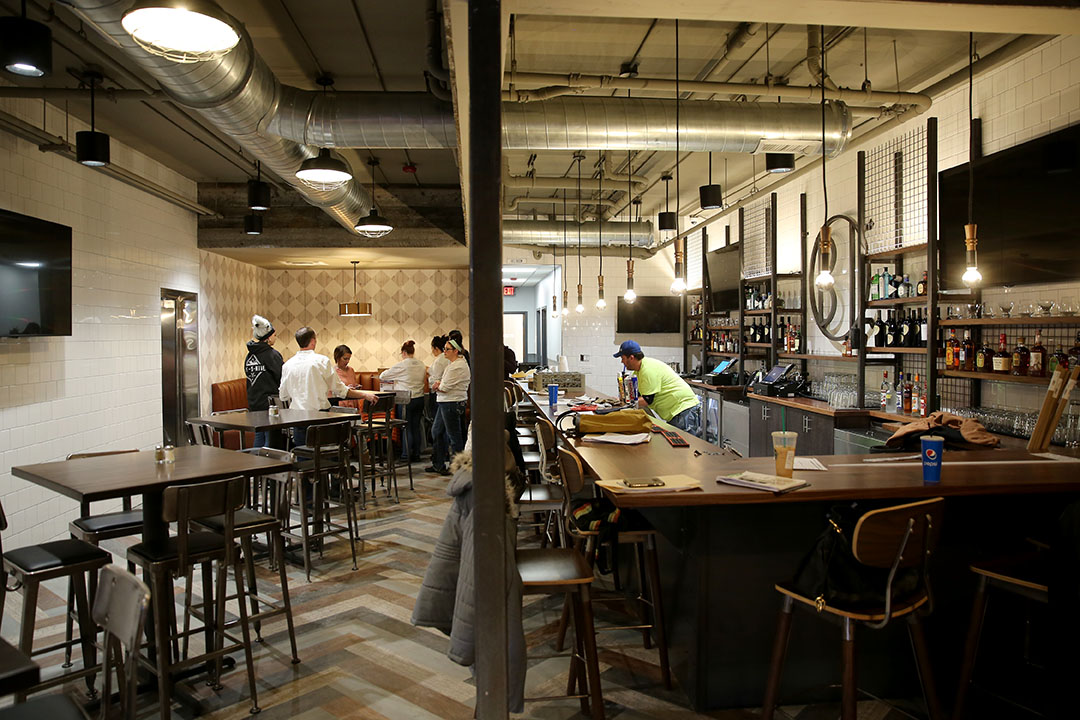
Restaurant Atmosphere and Ambiance
A “branding iron” restaurant, with its focus on bold flavors and a robust, perhaps slightly rugged, aesthetic, needs an atmosphere that reflects its personality. The ambiance should be inviting yet not overly polished, creating a sense of comfortable familiarity. This will draw in customers who appreciate a unique dining experience, as opposed to a generic, cookie-cutter establishment.The design and décor should complement the theme, emphasizing textures, materials, and color palettes that evoke the feeling of a well-crafted, high-quality product.
This means a balance between rustic charm and modern sophistication.
Ideal Atmosphere and Ambiance
The restaurant should feel warm and inviting, yet not stuffy. Good lighting is crucial, combining ambient lighting with focused lighting to highlight specific design elements. A balance between warm and cool colors is important, with accents that complement the theme.
Design Elements and Décor
The restaurant’s design should embody the “branding iron” theme. Consider using reclaimed wood, exposed brick, or metal accents in the décor. Dark wood tables with leather or distressed fabric seating would create a cozy and substantial feel. A feature wall with a large, stylized branding iron design, perhaps in metal or a painted mural, can visually anchor the theme.
Music Selections
Music selection is critical to setting the right mood. A playlist featuring a mix of upbeat, genre-appropriate music, like folk, blues, or country, is appropriate. Avoid overly-loud music or trendy pop tracks. Consider a curated selection of songs that evoke the desired feeling without overpowering the conversation or ambiance. Examples include classic rock or jazz pieces that aren’t too aggressive or distracting.
Ensure the music complements the overall atmosphere, without becoming the focal point.
Examples of Successful Restaurant Ambiance Design
Successful restaurants like “The Smith” or “The Rustic Tavern” achieve a well-defined ambiance by incorporating a cohesive blend of design elements and décor. The “Smith” uses a modern, industrial aesthetic with exposed brick, reclaimed wood, and carefully curated lighting. “The Rustic Tavern” effectively uses natural elements like exposed beams, stone walls, and comfortable seating to evoke a rustic charm.
Both restaurants successfully translate their concept into a tangible and engaging dining experience, setting a specific tone that draws in their target audience. A key element in successful restaurant design is the consistency of design, décor, and atmosphere with the overall branding.
Final Thoughts
In conclusion, discovering a “branding iron” restaurant near you is about more than just a meal; it’s about an experience. This guide has highlighted the critical aspects of identifying, understanding, and ultimately appreciating these unique establishments. From local identification and branding analysis to customer perception and digital marketing strategies, we’ve covered the essential elements to help you navigate the local culinary scene.
Questions and Answers
What makes a restaurant a “branding iron” restaurant?
A “branding iron” restaurant often features a unique theme, often reflected in its menu, atmosphere, and service. It may focus on a specific cuisine, have a particular style of presentation, or use specific branding elements.
What digital marketing strategies are best for attracting customers to a “branding iron” restaurant?
Effective digital marketing for a “branding iron” restaurant involves optimizing the restaurant’s online presence, engaging on social media, and using local strategies. Highlighting the unique aspects of the restaurant, such as its theme, is crucial.
What are some common customer expectations for a “branding iron” restaurant?
Customers might expect a unique atmosphere, a menu that reflects the theme, and a service that matches the restaurant’s brand. Price range might vary depending on the specific restaurant.
How can I find a “branding iron” restaurant near me?
Online search engines, local restaurant directories, and social media platforms can be used to find local options. Also, checking out online reviews and ratings is helpful.